
Hello—I’m Andreas Bourakis.
My journey into technology didn’t begin with a career plan. It began with curiosity at the age of 10 — and a machine that felt more like science fiction than reality.
The First Spark
In 1991, I wrote my first lines of code. At the time, personal computers were still unfamiliar to many, something you’d expect to see in movies rather than in everyday life. My entry point was Turbo Basic (and fortunately not GW-BASIC—a small mercy early on).
I quickly moved to Turbo Pascal, where programming stopped being just experimentation and became structured thinking. Eventually, I found myself working with C++—and the deeper I went, the more I realized this wasn’t just a hobby.
It was a way of thinking.
The original goal?
Build my own game.
That game never quite made it to the finish line—but somewhere along the way, the process became more important than the outcome. The journey had already done its job.
The Terminal Years
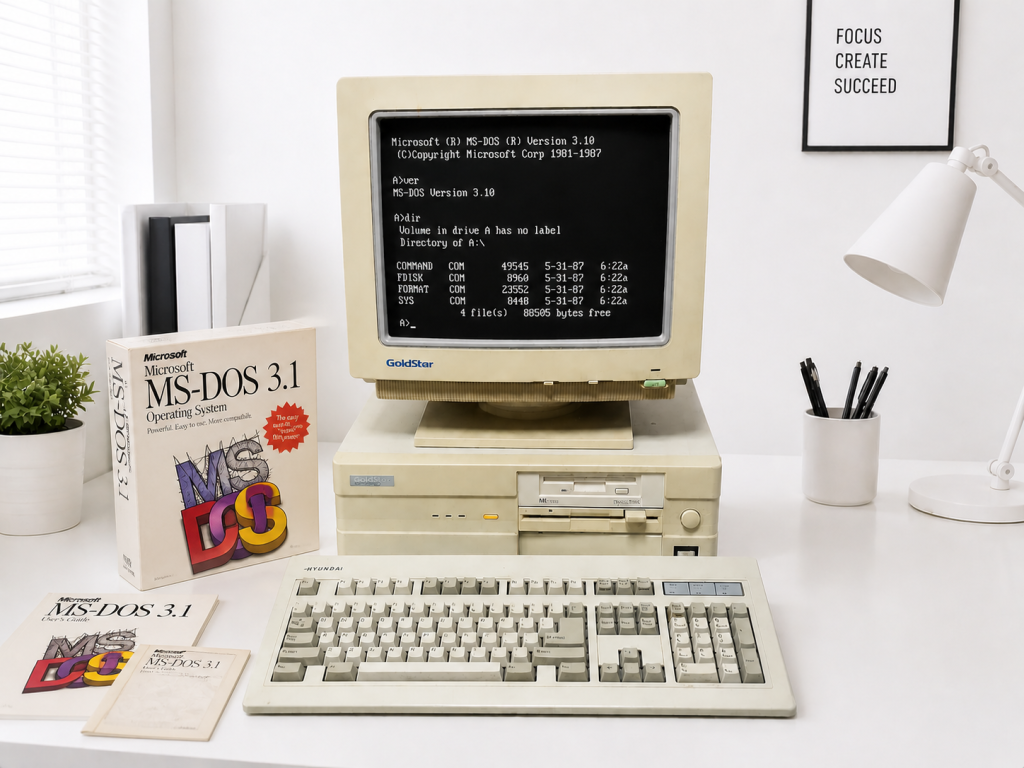
My early computing days unfolded on an Intel 8088 running MS-DOS 3.1—just a blinking cursor and an open challenge: figure it out.
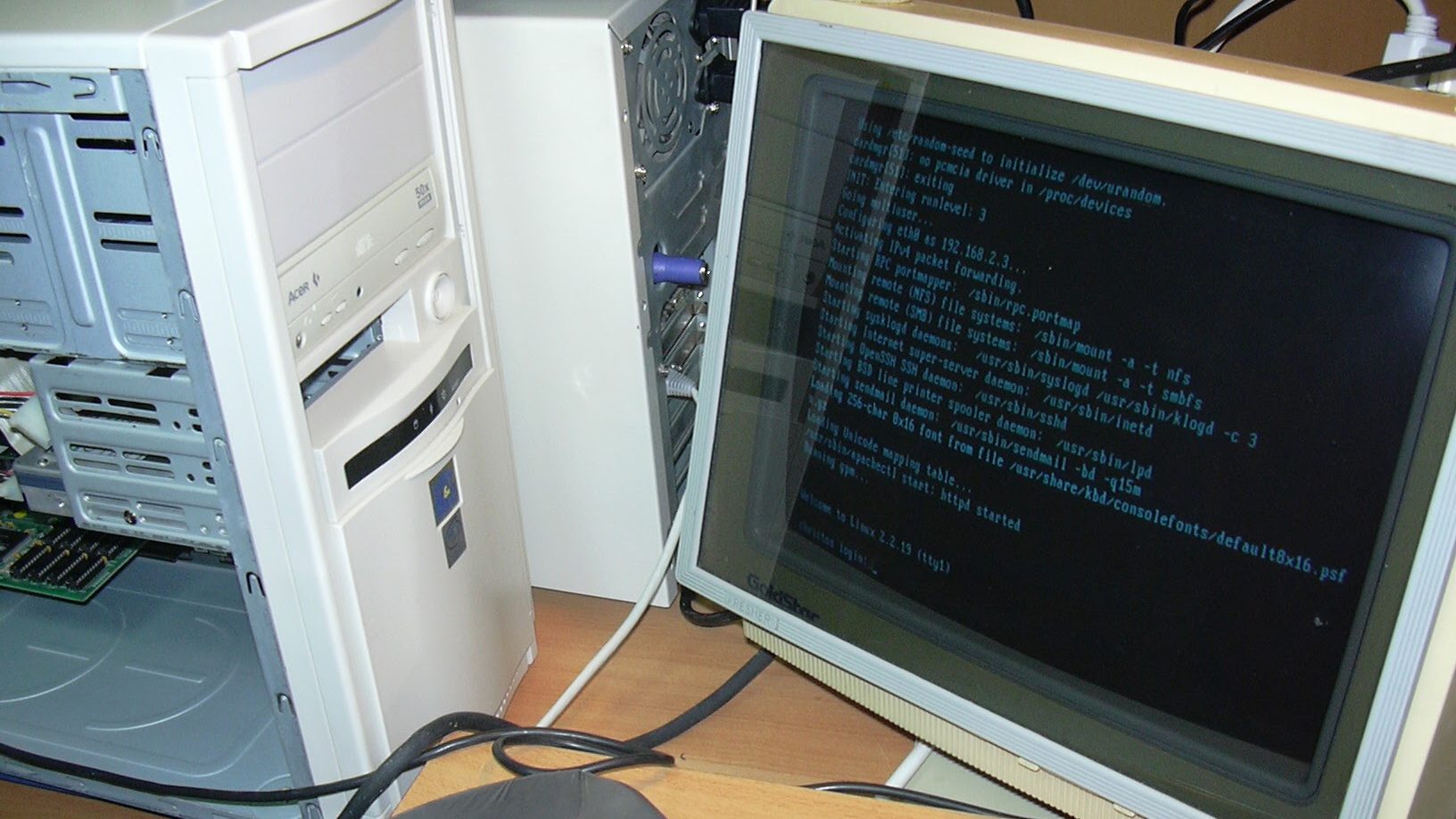
System crashes came later. And when they did, they didn’t discourage me—they provoked me. I wanted to understand what was happening beneath the surface.
That curiosity led me into Linux.
Around 1996, I installed Slackware—an experience closer to initiation than installation. From there, I explored Debian and later SuSE, learning not just how to use systems, but how they were built.
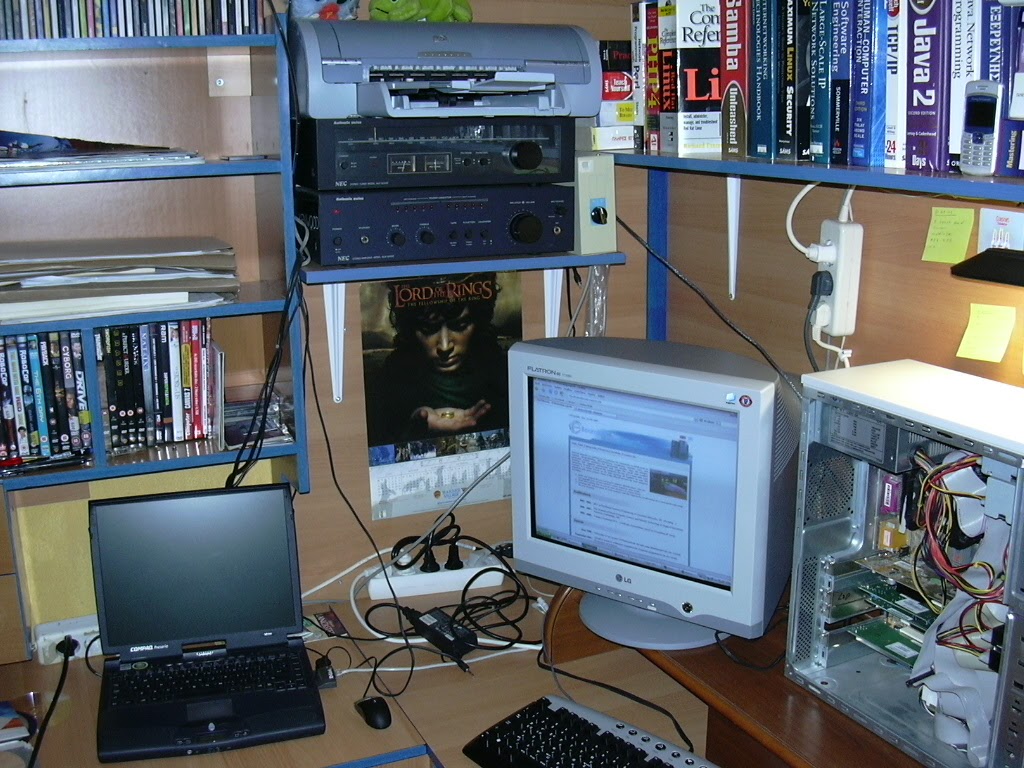
At some point, I took over a storage room and turned it into my first “lab.” PCs everywhere. Cables running like improvised infrastructure. A dial-up connection stitched together through a telephone line. When the modem connected, that sound wasn’t noise—it was access. It was possibility.
And then, it stopped being a solo journey.
Around 2000, together with other like-minded enthusiasts, we founded plug.gr—which grew into one of the most active Linux User Groups in Greece at the time. We weren’t just using technology. We were exploring it, shaping it, and learning from each other.
Discovering the Web
In 1997, I connected to the Internet for the first time through soft-hard.gr. That moment changed everything.
That same night, I learned HTML.
The next day, I had my first website live.
By 1998, I had launched cyberworld.gr—one of the early online magazines in Greece. Back then, investing 100,000 drachmas (about €300) for a domain and hosting felt like a serious commitment. Different era, different stakes.
Then came PHP and MySQL—and suddenly the web wasn’t static anymore. It was alive. Dynamic. Interactive.
That’s when things got really interesting.
The Academic Chapter
In 2000, I moved to the UK to study Computer Science. I spent three formative years in Cambridge at Anglia Ruskin University, a place where history and innovation quietly coexist.
After completing my undergraduate studies, I pushed further—earning a place at Lancaster University, where I completed my MSc in Distributed Systems Engineering in 2005.
It was an intense period of focus—study, research, repetition—but also one that sharpened how I approached complex systems.
Building Something of My Own
In 2007, after completing my military service, I made a decision that didn’t come with guarantees: I chose self-employment.
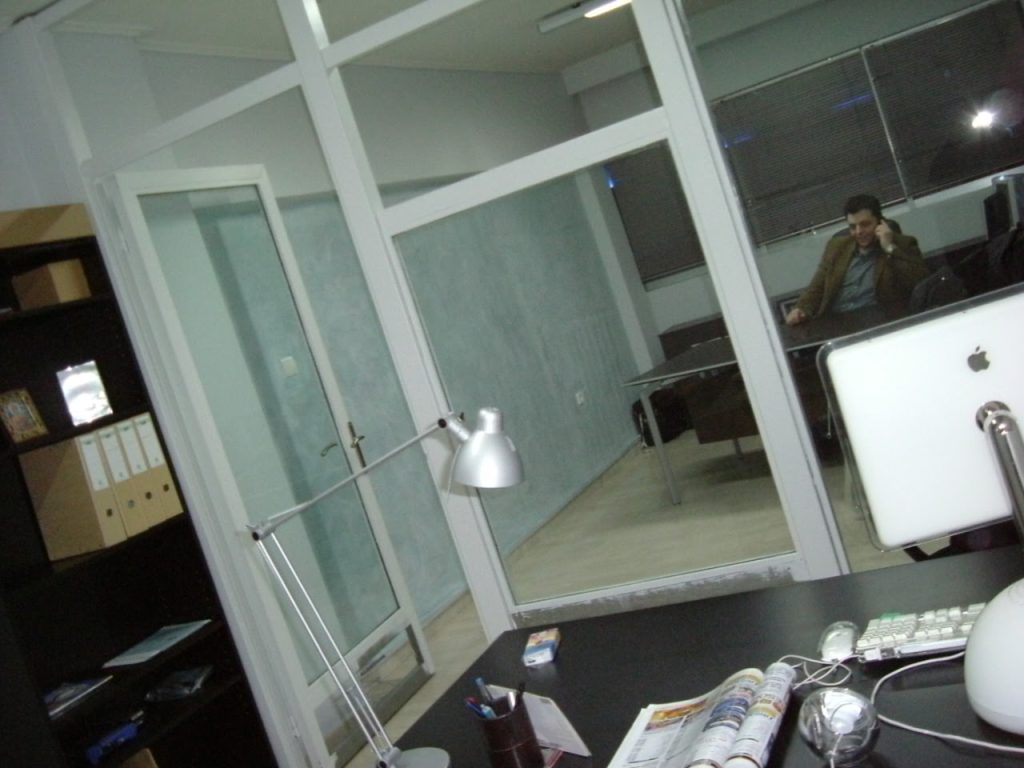
Many people questioned it.
Over time, I understood why.
But I moved forward anyway and founded wideweb.gr—a company that has remained my core professional focus ever since.
What started as a leap into uncertainty became a long-term journey of building software for the web and mobile platforms. A significant part of that journey has involved collaborating with other businesses through outsourcing—designing, developing, and delivering solutions across different domains.
Each project added something new. Not just technically—but in understanding people, processes, and trust.
Today
Today, I work as both a software engineer and a part-time lecturer.
On one side, I design and build systems—drawing on over 30 years of experience in programming and IT. On the other, I teach—translating complexity into clarity, helping others navigate the same path that once felt so uncertain.
In project management, most of the work I’ve led has been delivered on time and within budget—not by chance, but through experience and careful execution.
As a team member, I’ve learned that collaboration is everything. Most teams work well. Some don’t. You learn to recognize the difference—and keep moving forward.
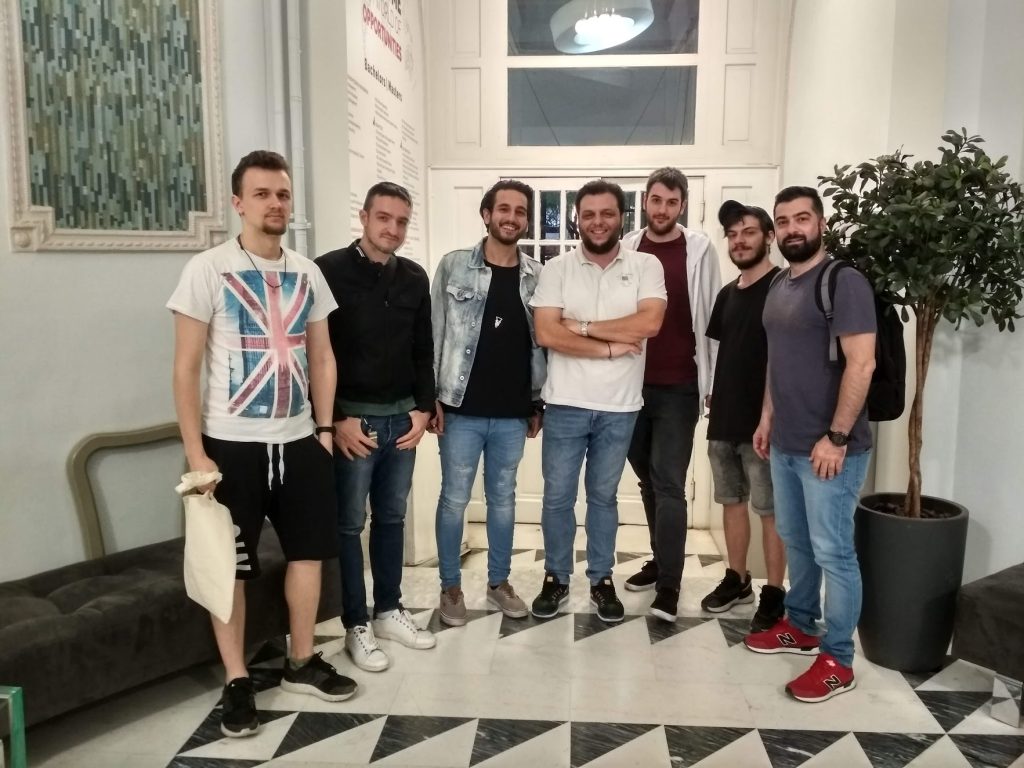
In teaching, student feedback consistently highlights communication, preparation, and clarity.
Am I a great lecturer?
I’ve been told so.
Am I modest about it?
Let’s say… I’m working on it.
Closing Thought
Looking back, none of this feels like a straight line.
It’s a series of experiments. Late nights. Broken systems. Small wins. Big lessons.
The game I once set out to build never shipped.
But something else did.
A lifelong process of building, learning, and evolving.
And it’s still running.